Most consultancies don't tell you exactly what they do. Here's what ODB Growth is as a hands-on AI Engineer & Architect for B2B teams. And what it isn't.
Most consultancies don’t tell you exactly what they do. So here’s what ODB Growth is as a hands-on AI Engineer & Architect. And what it isn’t.
What ODB Growth is not
First, ODB Growth is not a chatbot integrator. So we don’t bolt a widget onto your existing software and call it AI. Because a chat window that answers questions is not the same as AI running inside your process.
Second, we are not a workshop-only AI trainer. Therefore, we don’t run a two-day awareness session, hand over a deck and disappear. Also, training without a process behind it reverts within weeks, because there is nothing in the system that holds the new behaviour in place.
Third, we are not a systems integrator with a bench of juniors. So we don’t sell a discovery call with a senior and deliver the build with a team you’ve never met. Instead, the person who scopes the work is the person who writes the code.
Furthermore, we are not an AI research lab. So we don’t hand you a proof of concept and call the engagement done. Because a demo that never reaches production has moved nothing.
Finally, we are not a staffing shop that adds a pair of hands. Therefore, we don’t place a developer next to the team you already have. Instead, most clients already have an internal developer, and the gap isn’t headcount, it’s direction: which architecture, which boundaries, and how AI fits into the way the team already builds.
If it does not move a number, it is a demo.
What a hands-on AI Engineer & Architect actually is
ODB Growth is a hands-on AI Engineer & Architect practice. So that means three things specifically.
1. The person who scopes the work is the person who writes the code
Not a solutions architect who hands off to a delivery team. Not an account lead who translates between you and the engineers. Instead, the person on your first architecture conversation is the same person committing code three months later.
2. Architecture and execution in the same engagement
Most consultancies separate the thinking from the building. However, we don’t. Because architecture without execution is a slide deck, while execution without architecture is technical debt with a deadline. So you get both, from the same person, in the same engagement.
3. We build inside your stack
For example, we map the process end to end, before any code gets written. Plus, we build the pipelines, the agents and the integrations, and we deploy them into the environment you already run. Furthermore, we sit with your developer while it’s built, not after. And we stay to verify it against the number that was agreed at the start. Therefore, this is hands-on engineering work, not advisory.
What you actually get
A typical engagement with ODB Growth covers three layers at the same time: process, architecture, and verification. So we do all three together because none of them work alone.
First, the process layer. Specifically, we follow the real workflow from trigger to outcome: who does what, which systems are involved, where work waits, and where AI can safely take over a step. Therefore, the system gets shaped around how the work actually runs, not the other way around.
Then, the architecture layer. Because the model has to be a setting and not a foundation, we build a vendor-independent AI layer: every call site declares what it needs, and switching provider is a configuration change, not a rewrite. Plus, we automate the connections between your systems. And we kill the manual copying and checking that AI was supposed to remove in the first place.
Finally, the verification layer. So every important output gets checked against a source or a rule, not taken on trust. Then we add cost and monitoring so you can see what ran, what failed and what it cost, in the system itself.
A pilot without architecture fails when it meets a second use case. Furthermore, architecture without verification fails quietly, because nobody notices until the output is wrong. And verification without a real business objective is theatre with extra steps. Therefore, the combination is the entire point.
Who this is for (and who it isn’t)
ODB Growth works best for founders, technical leads and commercial directors who need one person who understands the technology, the process and the business case at the same time. Specifically, the kind of organisation where AI is already used somewhere, in a pilot, in a chatbot, in someone’s personal workflow, but nothing production-grade has shipped. Furthermore, where there is often an internal developer already, and the question is not more hands but better direction. And where the team is genuinely ready to have AI run inside the process, not just talk about it.
However, it’s not the right fit if you want a strategy deck with no implementation behind it. Or if you want a vendor to build a black box and hold the keys, so switching later means starting over. Furthermore, it’s not the right fit if you want someone to replace your internal developer rather than work alongside them. And it’s definitely not the right fit if you want a demo for a board meeting without a plan for what happens after.
Practical checklist – Is ODB Growth right for you?
- You have, or are building, an internal developer or a small engineering team
- AI is already used somewhere in the business, but nobody trusts the output or knows what it costs
- You want the person who scopes the work to be the person who writes the code
- You want architecture and execution in the same engagement, not strategy from one vendor and a build from another
- You want the system to keep running, and the model to stay replaceable, after the engagement ends
- You can commit to 3 to 12 months of embedded work, not a one-off workshop
- You want progress measured against a real business number, not a demo
- You need direction as much as you need hands
If six or more are checked, then we should talk.
The ODB Way
At ODB Growth, the order is always Objective, Design, Build. So we start with the number that has to move, revenue, margin, hours per case, cost per run. Then we map the process as it actually runs, before any technology gets chosen.
Then we build it together. In your stack, with your team, until it runs in production and keeps running after we leave.
Plus, most AI pilots don’t die in the demo. Instead, they die in the gap between the proof of concept and a system someone is willing to depend on. Therefore, that’s exactly the gap ODB Growth closes. If it does not move a number, it is a demo. If that’s the kind of work you need, we should talk.
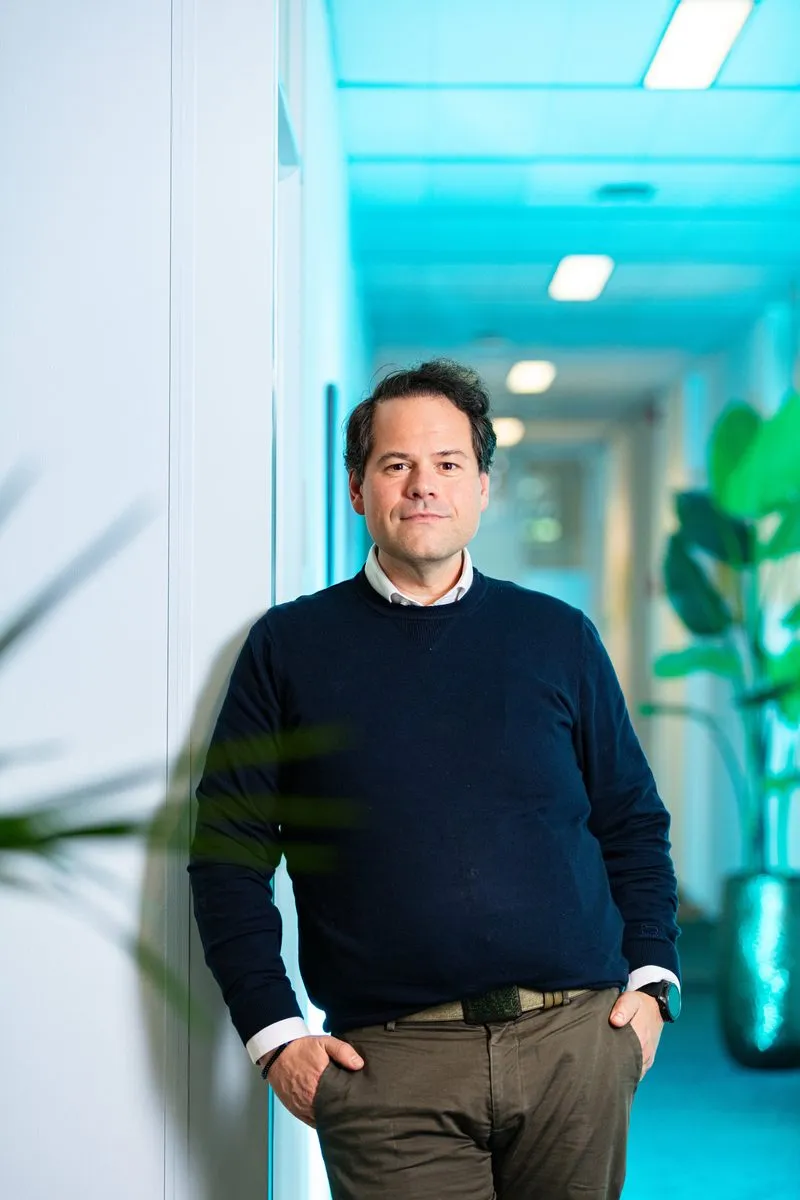
Onno de Bel
AI Engineer & Architect | ODB Growth
Ready to build something
that moves a number?
Let's find out where AI actually pays in your process, and build it.
Plan a Growth Call